Category
Health IT
PHIN and Moana Digital Health: A New Era of Connected Healthcare for Island Nations
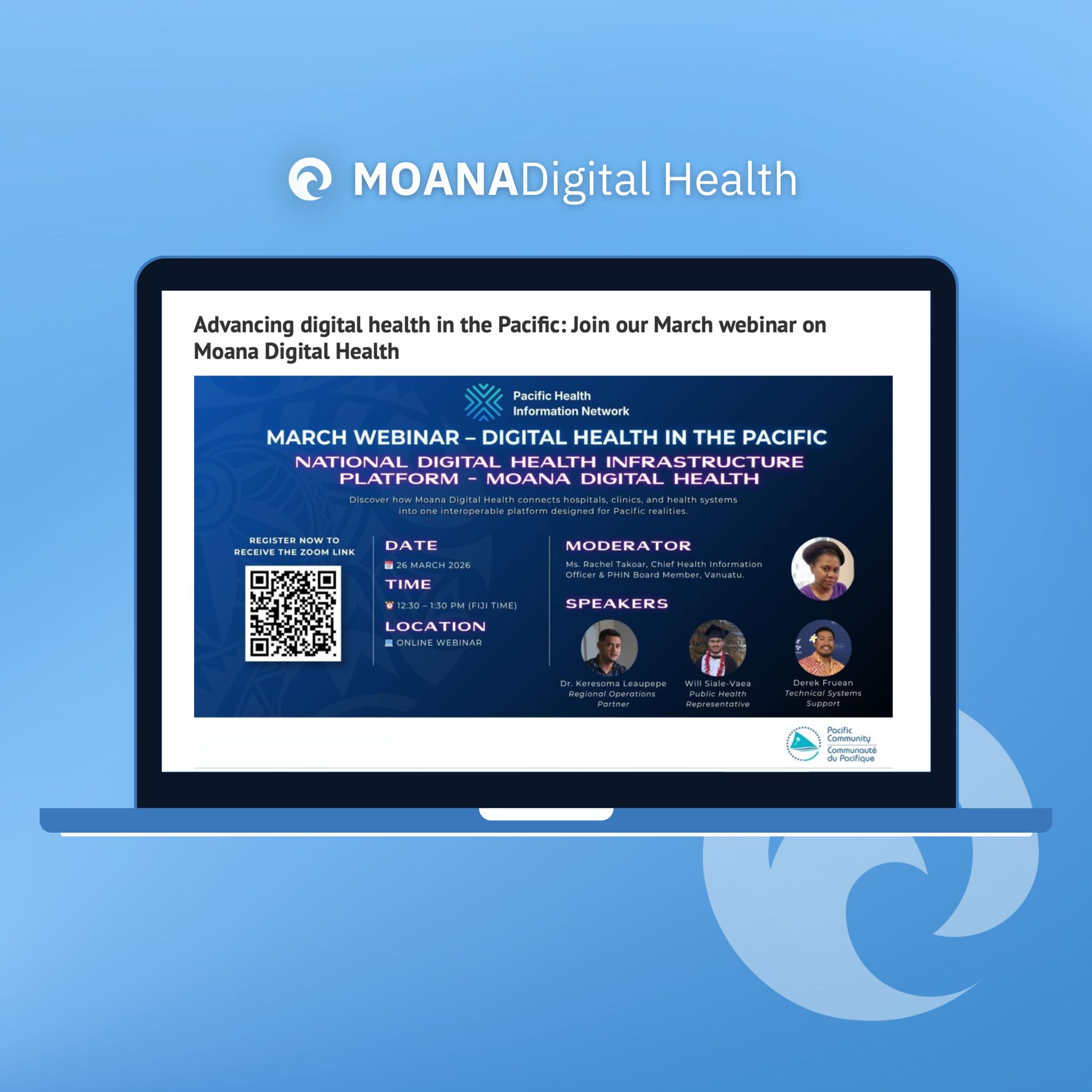
Healthcare systems across island nations and developing regions face a common challenge — fragmentation. Data is scattered, systems don’t communicate, and decision-making is often delayed due to lack of real-time visibility. This is where the collaboration between PHIN (Pacific Health Information Network) and Moana Digital Health becomes a powerful step forward.
Together, they are working toward one clear goal: building practical, connected, and scalable digital health systems that work in real-world conditions.
The Current Reality: Complex and Fragmented Systems
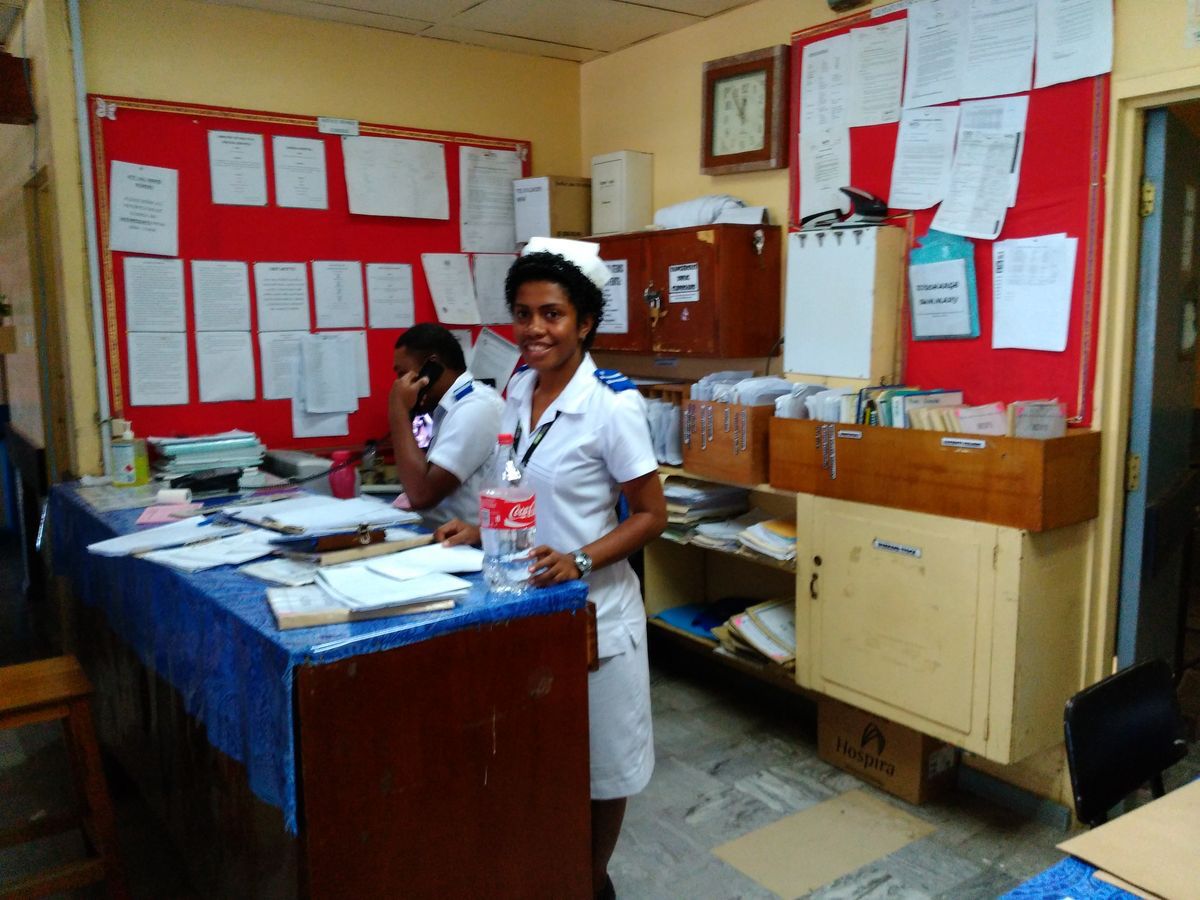
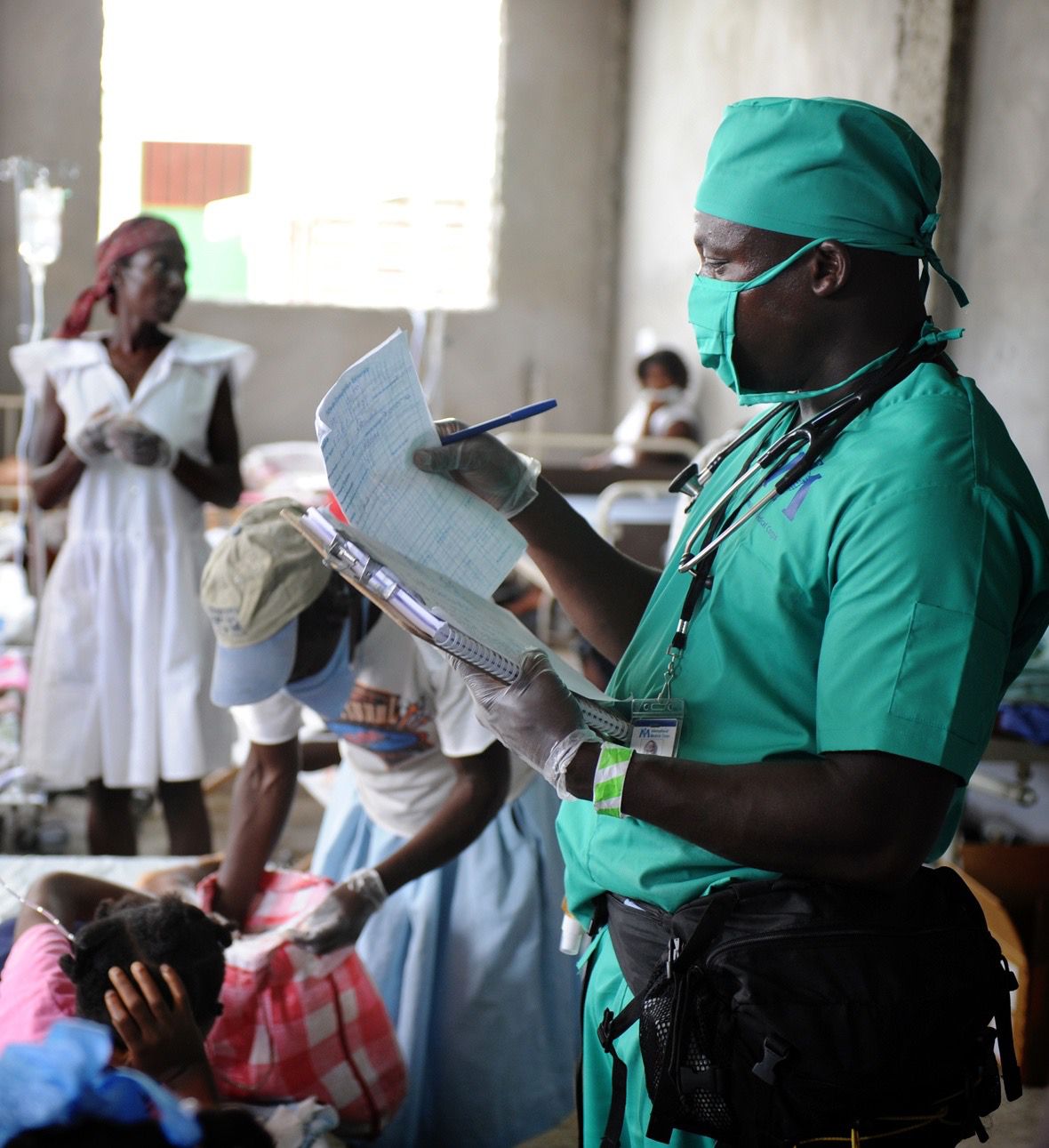
Across many regions supported by PHIN, healthcare systems operate in highly complex environments:
Populations spread across multiple islands
Limited healthcare workforce
Low and inconsistent internet connectivity
Heavy reliance on paper-based processes
Disconnected reporting and data systems
These challenges make it difficult to:
Deliver timely, data-driven care
Maintain continuity of patient information
Plan resources effectively at a national level
Respond quickly to public health needs
In simple terms, data exists — but it doesn’t flow.
The Opportunity: Building One Connected Health Ecosystem
PHIN recognizes a major opportunity to transform healthcare by enabling:
Interoperable digital health systems
Real-time data sharing across facilities
Stronger national and regional coordination
Practical solutions tailored for island environments
Instead of adding more tools, the focus is on creating one unified system that connects the entire healthcare ecosystem.
This is exactly where Moana Digital Health fits in.
What Moana Brings to the Partnership
Moana Digital Health is designed specifically for environments where traditional systems fail.
It offers:
Offline-first functionality that works even without constant internet
Unified patient records across the entire care journey
Interoperability by design, allowing systems to connect seamlessly
Real-time visibility for better decision-making
Clinical decision support for safer patient care
This makes Moana not just a digital tool — but a complete healthcare infrastructure platform.
Why Now? The Timing Matters
PHIN is already advancing digital health capacity and interoperability standards across regions. This creates the perfect foundation for solutions like Moana to scale effectively.
Countries are ready for digital transformation
Standards are being aligned
There is a growing need for real-time data
Healthcare systems are under increasing pressure
This is not just a good time — it’s a critical moment to implement practical, scalable solutions.
A Unified Healthcare Ecosystem in Action
The PHIN–Moana engagement focuses on connecting every stakeholder in the healthcare system:
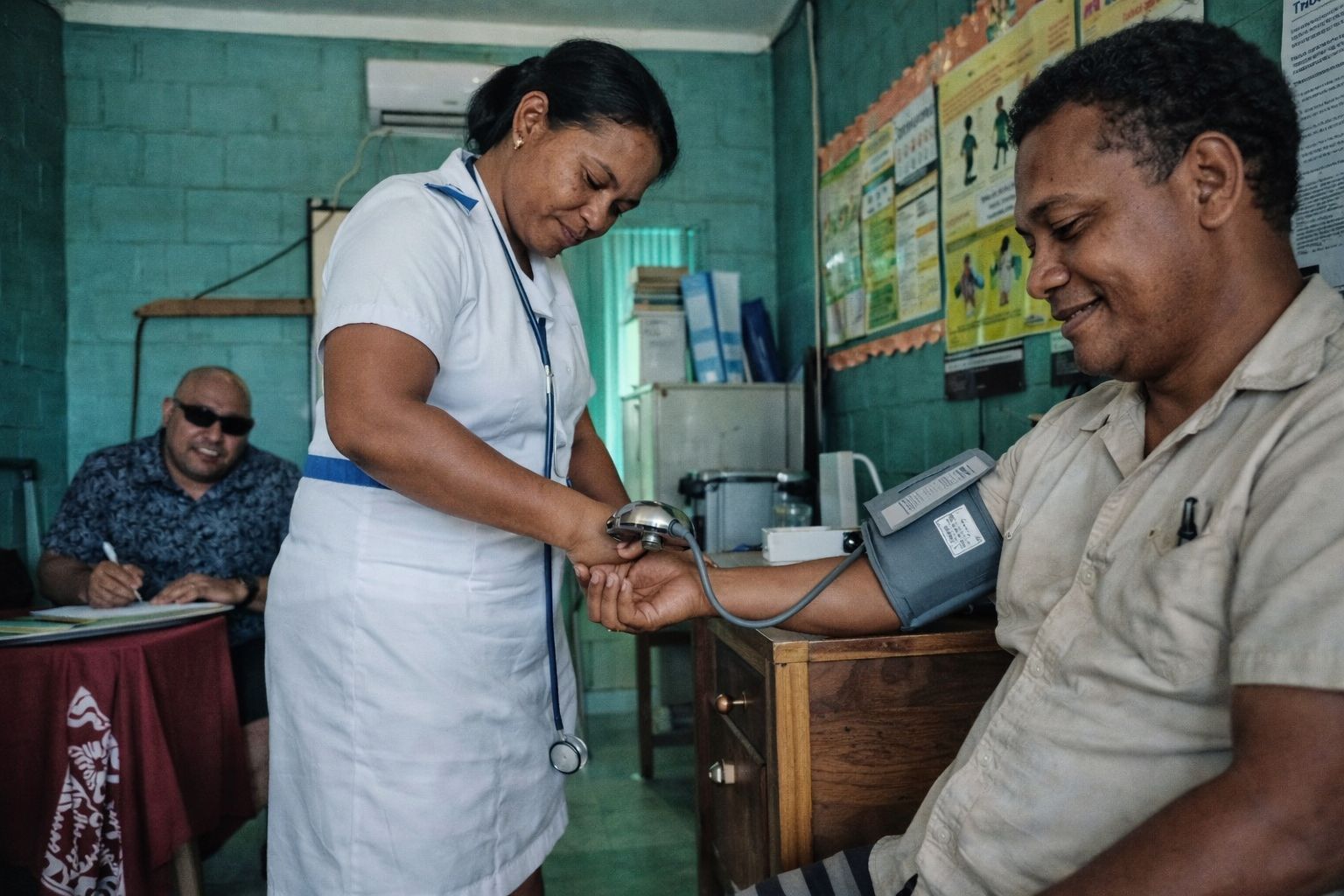
Doctors can access complete patient histories instantly
Nurses can manage care tasks and updates efficiently
Labs can deliver results quickly and digitally
Pharmacies can manage prescriptions safely
Administrators can oversee operations with real-time data
This creates a seamless flow of information, eliminating silos and improving coordination across the system.
End-to-End Patient Journey: Fully Connected
Moana enables a complete, integrated healthcare workflow:
Patient registration
Doctor consultation
Lab and imaging orders
Instant results delivery
Prescription with safety checks
Treatment administration
Discharge and follow-up
Every step is connected, ensuring accuracy, speed, and continuity of care.
Key Outcomes of PHIN and Moana Engagement
1. Real-Time Clinical Visibility
Healthcare providers gain instant access to patient data, improving decision-making and care quality.
2. Safer Care Delivery
Built-in alerts and safeguards help reduce preventable errors and improve patient safety.
3. Smarter Workflows
Automation reduces administrative burden, duplication, and delays across the system.
4. Better Coordination Through Interoperability
Connected systems improve communication and reduce repeated tests and inefficiencies.
5. Actionable Data for Planning
Routine healthcare data is transformed into insights that support national planning, policy, and resource allocation.
Strengthening Hospital Operations
Beyond clinical care, Moana also improves hospital management:
Staff Management: Streamlined scheduling, HR, and performance tracking
Bed & Ward Tracking: Real-time visibility of patient locations and bed availability
Appointments: Efficient scheduling and patient flow optimization
Billing & Invoicing: Simplified financial processes and reporting
Reports & Analytics: Deep insights into performance and outcomes
This ensures that healthcare facilities operate more efficiently and sustainably.
Built for Real-World Conditions
One of the biggest strengths of this collaboration is its focus on practicality.
Moana is designed to:
Work in low-connectivity and offline environments
Be easy for frontline workers to adopt
Scale from small clinics to national systems
Support long-term sustainability and government ownership
This aligns perfectly with PHIN’s mission to enable real solutions, not just theoretical systems.
The Bigger Vision
The engagement between PHIN and Moana Digital Health is not just about technology — it’s about transformation.
It represents a shift from:
Fragmented systems → Connected ecosystems
Delayed data → Real-time intelligence
Reactive care → Proactive healthcare planning
Conclusion
Healthcare systems in island nations and developing regions don’t need more complexity — they need clarity, connection, and control.
Through the collaboration between PHIN and Moana Digital Health, that vision is becoming a reality.
By building unified, interoperable, and real-world-ready systems, this partnership is laying the foundation for stronger, smarter, and more resilient healthcare systems.
Because when systems connect, care improves — and lives are saved.
" height="16.87499416067565px" id="H1OmTi_nA" transform="translate(0.313 4.063)" width="24.37499966430663px"/></svg>)
a company shaped by a clear understanding of how healthcare operates across the South Pacific. In many island nations, healthcare systems are working within real constraints. Clinics and hospitals are often spread across distance. Connectivity cannot always be relied on. Patient records are still, in many cases, paper-based or held across disconnected systems. Access to a person’s full medical history can depend on where those records are physically kept.

Wesley Semi