Category
Health IT
Hospital Management Systems for Pacific Island Hospitals: A Complete Guide

Healthcare in Pacific Island nations faces unique challenges—geographical isolation, limited resources, and fragmented medical records. To overcome these barriers, hospital management systems for Pacific island hospitals are becoming essential tools for modern healthcare delivery.
In this blog, we’ll explore how these systems work, their benefits, and why they are crucial for improving healthcare across island nations.
What Are Hospital Management Systems?
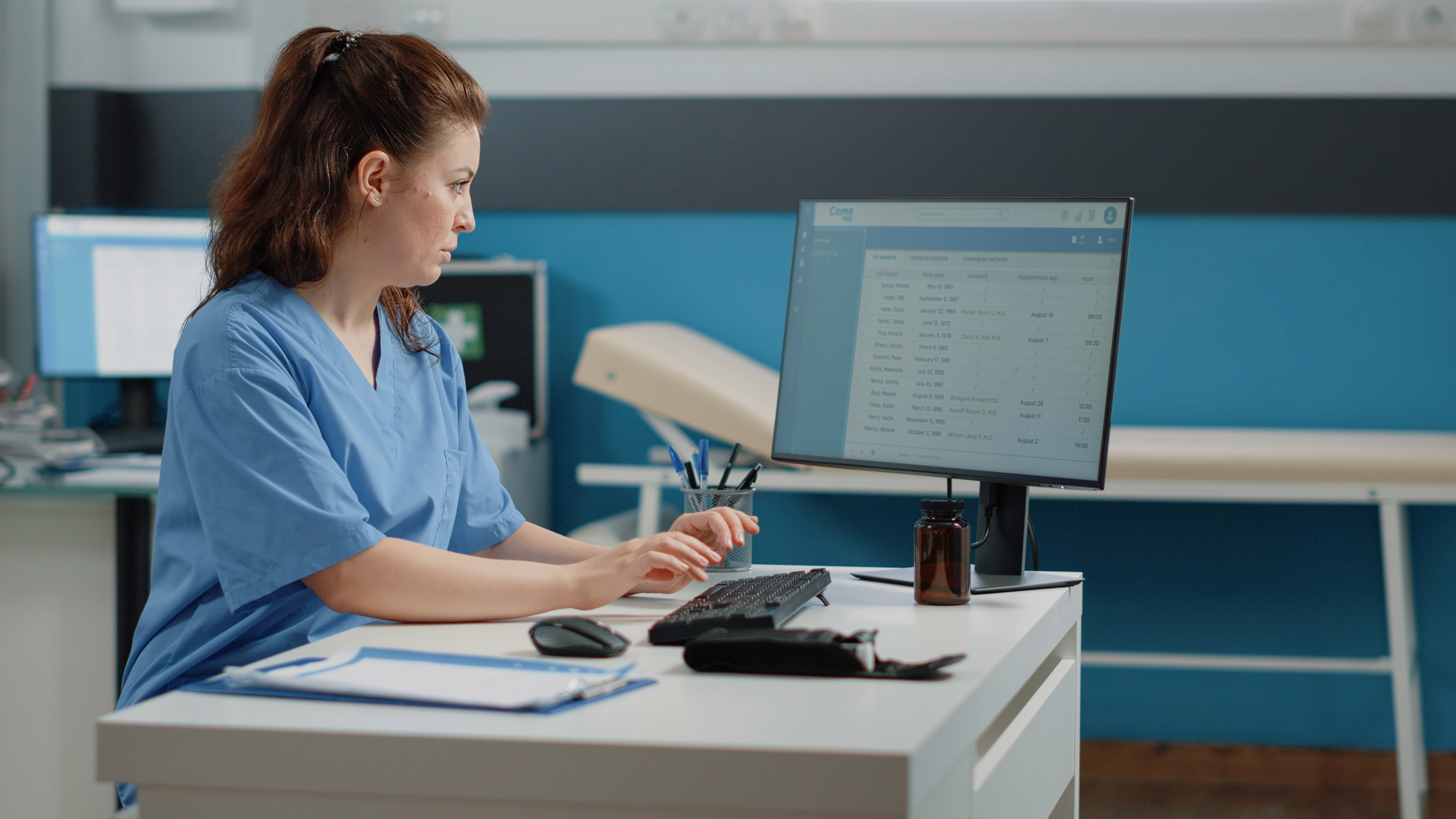
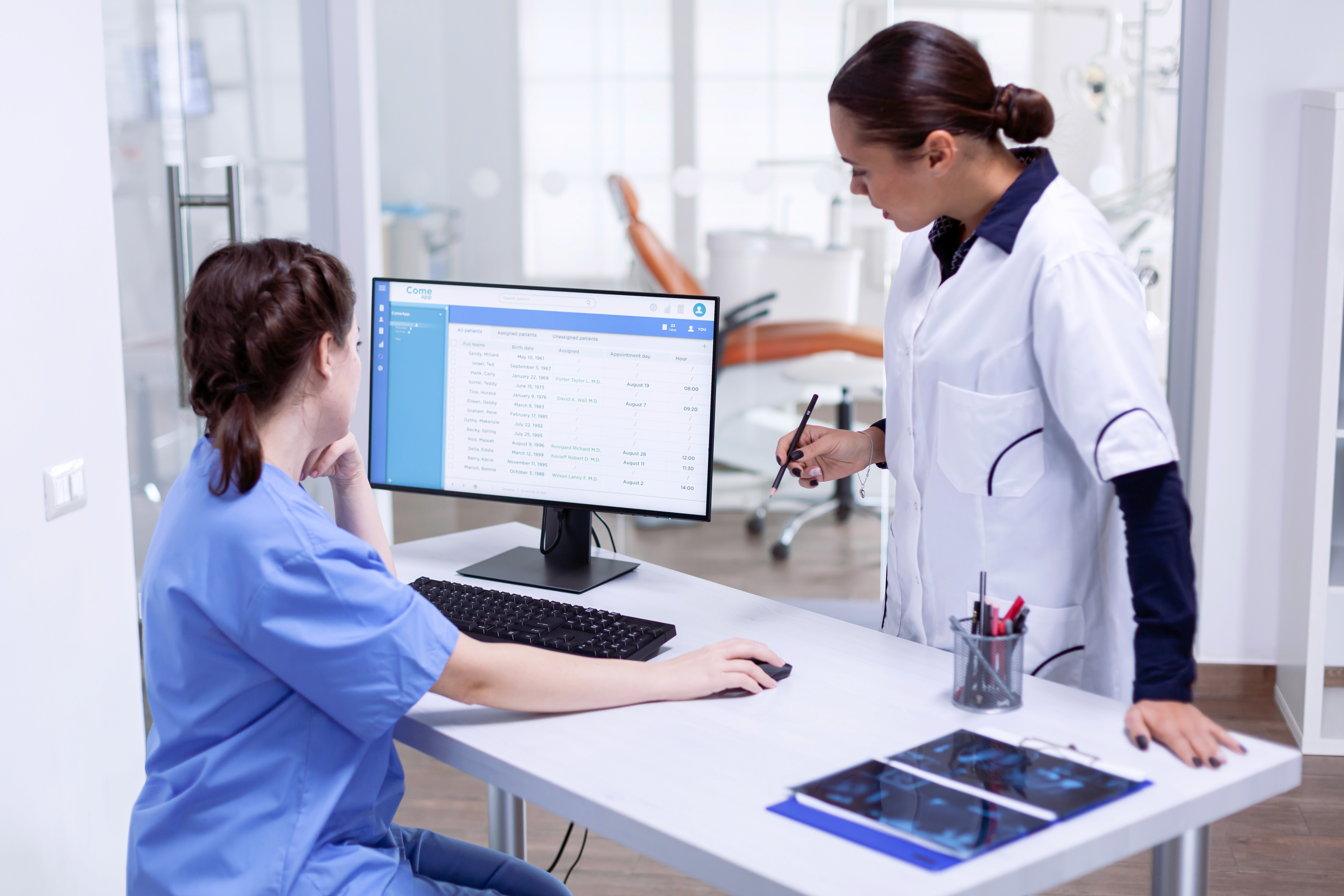
A hospital management system (HMS) is a digital solution designed to manage hospital operations efficiently. It integrates different departments such as patient records, billing, pharmacy, and appointments into one centralized system.
For Pacific island hospitals, these systems are especially valuable because they reduce manual work and improve coordination across remote locations.
Why Pacific Island Hospitals Need Digital Systems
Pacific island healthcare systems often struggle with:
Limited access to patient history
Paper-based records prone to loss
Delays in diagnosis and treatment
Lack of coordination between facilities
Implementing digital hospital systems in Pacific islands helps solve these issues by creating a connected healthcare environment.
Key Features of Hospital Management Systems
1. Electronic Health Records (EHR)
Digital storage of patient data ensures easy access to medical history across hospitals and clinics.
2. Appointment Scheduling
Patients can book and manage appointments efficiently, reducing waiting times.
3. Billing and Financial Management
Automates billing processes and reduces errors.
4. Inventory Management
Tracks medicines and medical supplies in real-time.
5. Telemedicine Integration
Allows remote consultations, which is critical for island nations.
Benefits of Hospital Management Systems for Island Nations
Improved Patient Care
Doctors can access complete patient records instantly, leading to faster and more accurate treatment.
Better Resource Management
Hospitals can manage staff, equipment, and supplies more efficiently.
Reduced Operational Costs
Automation reduces paperwork and administrative workload.
Enhanced Data Security
Digital systems protect sensitive patient data better than paper records.
Faster Decision Making
Real-time data helps healthcare providers make informed decisions quickly.
Challenges in Implementing HMS in Pacific Islands
While the benefits are clear, there are some challenges:
Limited internet connectivity in remote areas
High initial setup costs
Need for staff training
Resistance to adopting new technology
However, with proper planning and government support, these challenges can be overcome.
Role of Healthcare Management Software in Island Nations
Healthcare management software for island nations plays a critical role in connecting healthcare providers across multiple islands. It enables:
Seamless data sharing between hospitals
Centralized monitoring of public health
Better emergency response systems
This is especially important during health crises or natural disasters.
Future of Digital Healthcare in Pacific Islands
The future looks promising as more countries invest in hospital software Pacific island healthcare systems. Emerging trends include:
AI-powered diagnostics
Mobile health applications
Cloud-based hospital systems
Remote patient monitoring
These innovations will further strengthen healthcare infrastructure in island regions.
How to Choose the Right Hospital Management System
When selecting a system, consider:
Ease of use
Scalability
Cloud vs on-premise options
Data security features
Customer support
Choosing the right system ensures long-term success and better healthcare outcomes.
Conclusion
The adoption of hospital management systems for Pacific island hospitals is no longer optional—it’s a necessity. These systems improve efficiency, enhance patient care, and help overcome the unique challenges faced by island healthcare systems.
As digital transformation continues, investing in the right healthcare technology will play a vital role in building a stronger and more connected healthcare ecosystem across Pacific island nations.
FAQs
1. What is a hospital management system?
It is software that helps manage hospital operations like patient records, billing, and appointments.
2. Why are digital hospital systems important for Pacific islands?
They improve coordination, reduce paperwork, and enhance patient care in remote areas.
3. Is hospital management software expensive?
Initial costs can be high, but it saves money in the long run by improving efficiency.
4. Can these systems work in remote areas?
Yes, especially with cloud-based and offline-enabled solutions.
5. What is the future of healthcare technology in island nations?
The future includes AI, telemedicine, and mobile healthcare solutions.
" height="16.87499416067565px" id="H1OmTi_nA" transform="translate(0.313 4.063)" width="24.37499966430663px"/></svg>)
Healthcare systems have long operated separately rather than as a connected network. As a result, patient records are not easily shared between providers, leading to repeated tests, incomplete medical information, and delays in treatment. This lack of coordination ultimately affects both care quality and patient experience.

Dr. Matilda