Category
Health IT
Electronic Health Records in Pacific Island Healthcare: A Complete Guide

Introduction
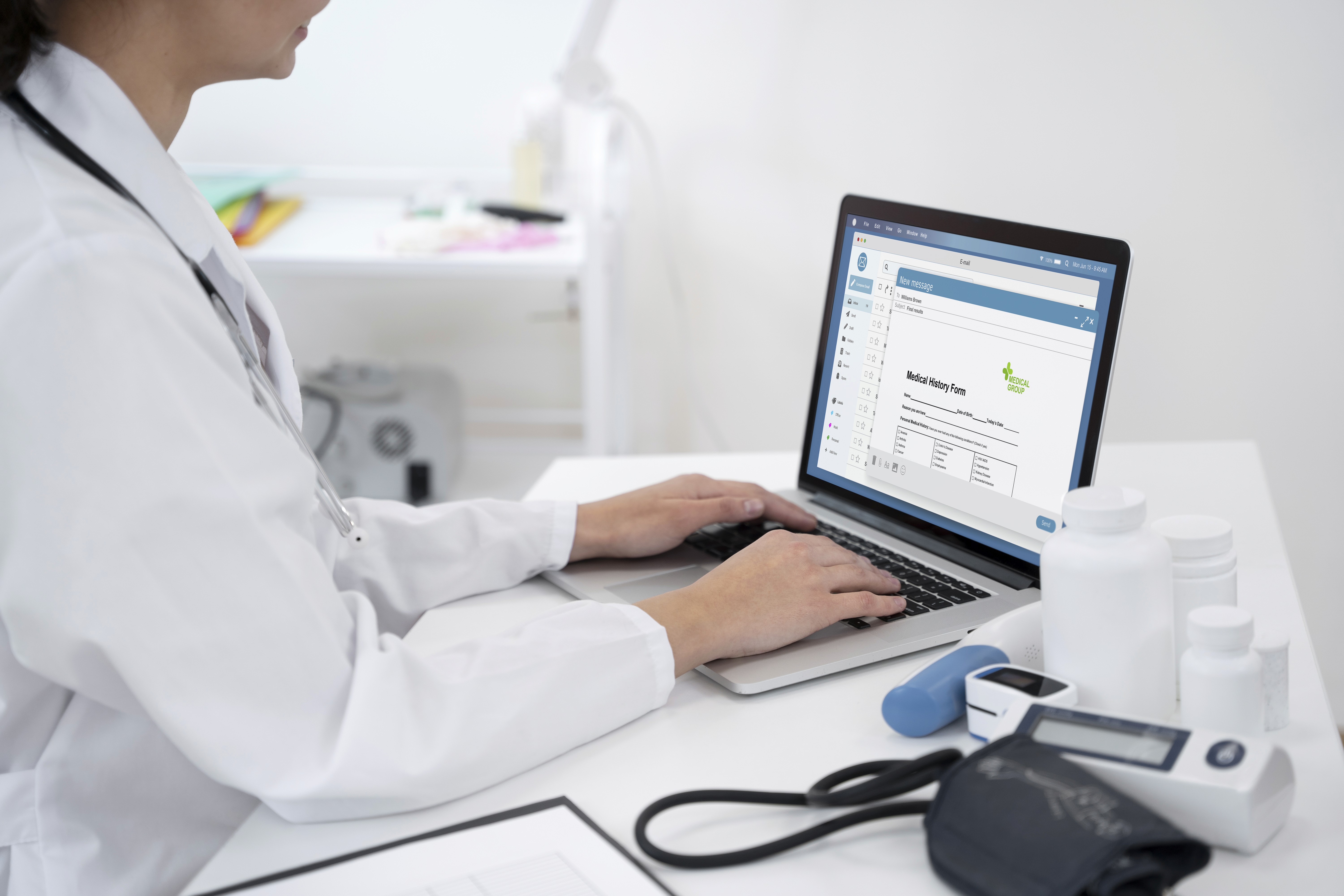
Electronic Health Records in Pacific Island healthcare are becoming an important part of improving medical services across remote and underserved regions. Many Pacific Island nations face challenges like limited resources, scattered populations, and lack of proper healthcare infrastructure. By adopting digital health systems, these regions can improve patient care, data management, and overall healthcare efficiency.
In simple terms, Electronic Health Records (EHR) are digital versions of patient medical histories. These records include information such as diagnoses, medications, treatment plans, and test results. Instead of paper files, everything is stored securely in a digital system that can be accessed by healthcare professionals when needed.
Why Electronic Health Records Matter in Pacific Island Healthcare
Pacific Island countries often struggle with fragmented healthcare systems. Patients may visit different clinics or hospitals, but their records do not follow them. This leads to delays, repeated tests, and sometimes incorrect treatments.
Electronic Health Records in Pacific Island healthcare solve this problem by:
Providing centralized patient data
Reducing medical errors
Improving communication between healthcare providers
Saving time and costs
With EHR systems, doctors can quickly access patient history, even if the patient has visited multiple facilities across islands.
Key Benefits of Electronic Health Records
1. Improved Patient Care
Doctors and nurses can make better decisions when they have complete and accurate patient data. This leads to faster diagnosis and more effective treatments.
2. Better Accessibility Across Islands
Many Pacific Island communities are located in remote areas. EHR systems allow healthcare workers to access patient records from anywhere, improving healthcare delivery in rural regions.
3. Reduced Paperwork
Traditional paper-based systems are time-consuming and prone to errors. Electronic Health Records eliminate manual record-keeping and improve efficiency.
4. Enhanced Data Security
Modern EHR systems use secure technology to protect sensitive patient information. This reduces the risk of lost or damaged records.
Challenges in Implementing EHR in Pacific Islands
While the benefits are clear, implementing Electronic Health Records in Pacific Island healthcare is not easy. Some common challenges include:
Limited Infrastructure
Many islands lack stable internet connections and reliable electricity, which are essential for digital systems.
High Initial Costs
Setting up EHR systems requires investment in technology, training, and maintenance.
Lack of Skilled Professionals
Healthcare staff may need training to use digital systems effectively.
Data Privacy Concerns
Ensuring patient data security is critical, especially in regions new to digital healthcare.
Solutions and Future Opportunities
To successfully implement Electronic Health Records in Pacific Island healthcare, governments and organizations can take the following steps:
Invest in cloud-based EHR systems that work even with low connectivity
Provide training programs for healthcare workers
Partner with international health organizations for funding and support
Develop strong data protection policies
Innovative solutions like mobile health (mHealth) and telemedicine can also work alongside EHR systems to improve healthcare access across islands.
Real Impact on Pacific Communities
When Electronic Health Records are properly implemented, they can transform healthcare systems in Pacific Island nations. Patients receive faster and more accurate care, healthcare providers work more efficiently, and governments can make better decisions based on real-time data.
This digital transformation helps bridge the gap between urban and rural healthcare services, ensuring that even the most remote communities receive quality medical care.
Conclusion
Electronic Health Records in Pacific Island healthcare are not just a technological upgrade—they are a necessity for building stronger and more reliable healthcare systems. While challenges exist, the long-term benefits far outweigh the difficulties.
By investing in digital health solutions, Pacific Island nations can improve patient outcomes, reduce healthcare costs, and create a more connected and efficient healthcare system for the future.
FAQs
1. What are Electronic Health Records?
Electronic Health Records are digital versions of patient medical records that store health information in a secure system.
2. Why are EHR important in Pacific Island healthcare?
They improve patient care, reduce errors, and help manage healthcare data across remote locations.
3. What challenges do Pacific Islands face in adopting EHR?
Challenges include limited infrastructure, high costs, lack of training, and data security concerns.
4. How can EHR improve healthcare in remote areas?
EHR allows doctors to access patient data from anywhere, improving treatment in isolated communities.
5. Are Electronic Health Records secure?
Yes, modern EHR systems use advanced security measures to protect patient data.
" height="16.87499416067565px" id="H1OmTi_nA" transform="translate(0.313 4.063)" width="24.37499966430663px"/></svg>)
Healthcare in Southeast Asia is changing fast. Hospitals are under pressure to serve more patients, manage data efficiently, and deliver better care—all at the same time. This is where digital healthcare platforms for Southeast Asia hospitals are making a real difference.

Dr.Hazel