Category
Health IT
Digital Hospital Management Systems in Pacific Islands: Transforming Healthcare Delivery
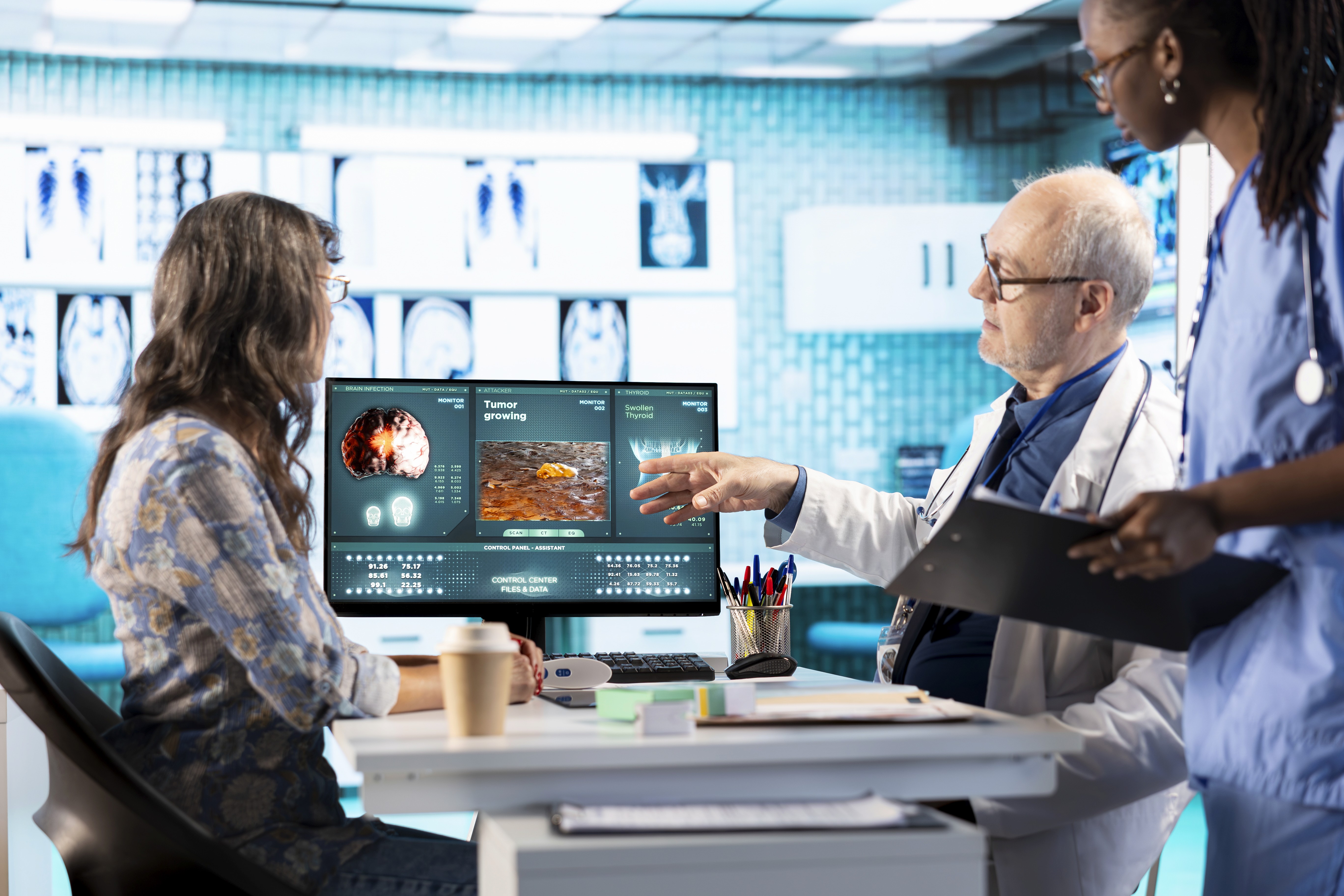
Healthcare in remote regions has always faced unique challenges. In the Pacific Islands, where geography, limited infrastructure, and scattered populations create barriers, the adoption of digital hospital management systems is becoming a game-changer.
This article explores how digital hospital management systems in Pacific Islands are improving healthcare efficiency, patient care, and overall system management.
What is a Digital Hospital Management System?
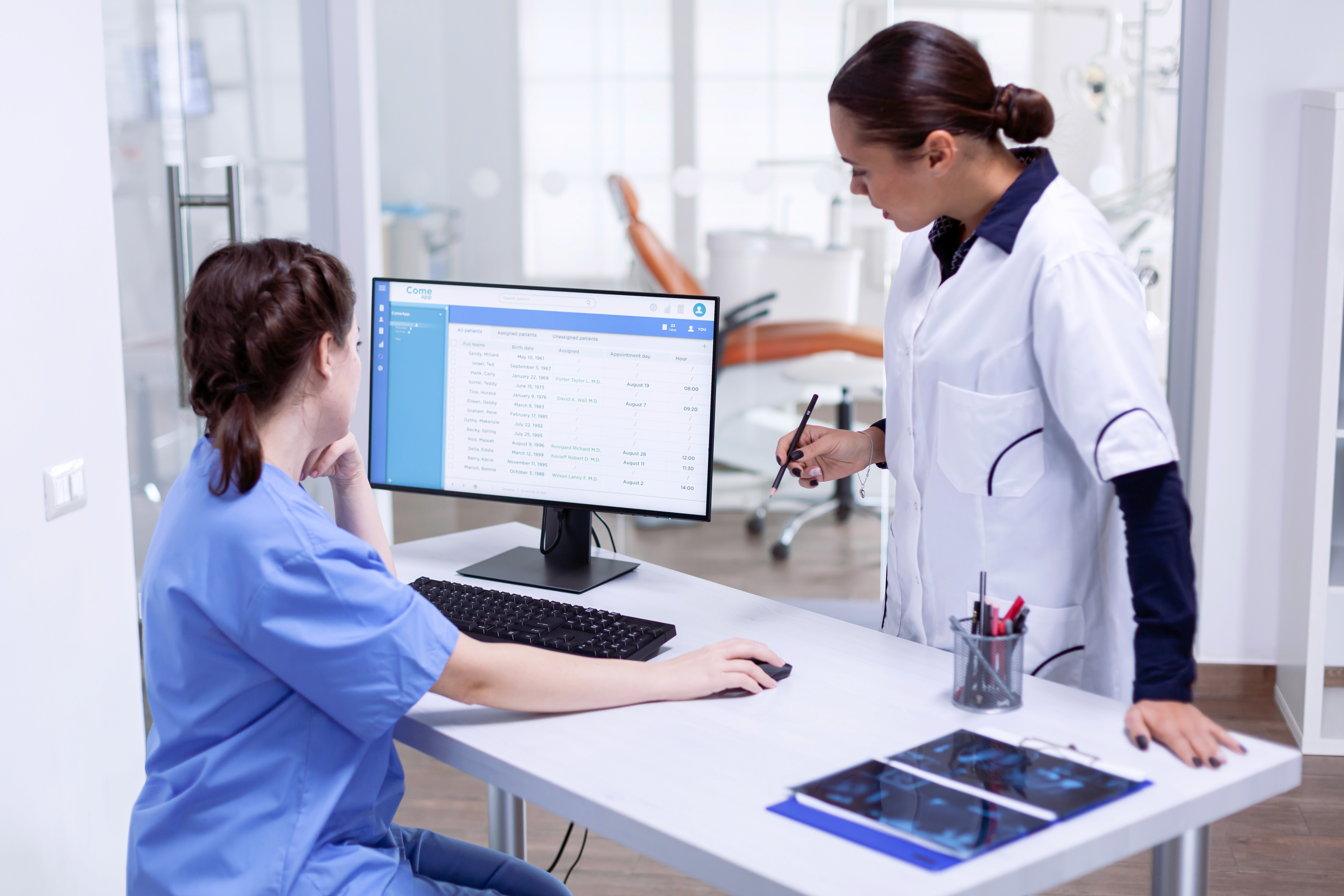
A Digital Hospital Management System (HMS) is a software solution that helps hospitals manage daily operations such as:
Patient registration and records
Appointment scheduling
Billing and payments
Pharmacy and inventory management
Lab reports and diagnostics
Staff and resource management
These systems centralize data and automate processes, reducing manual errors and improving workflow efficiency.
Why Pacific Islands Need Digital Hospital Systems
The Pacific Islands include countries like Fiji, Samoa, Tonga, and Vanuatu, where healthcare systems often struggle due to:
1. Geographic Isolation
Many islands are remote, making access to healthcare facilities difficult.
2. Limited Medical Resources
There is often a shortage of doctors, nurses, and equipment.
3. Paper-Based Systems
Traditional record-keeping leads to inefficiencies and data loss.
4. Emergency Response Challenges
Natural disasters like cyclones require quick and coordinated healthcare responses.
👉 This is where digital hospital management systems in Pacific Islands play a critical role.
Key Benefits of Digital Hospital Management Systems
1. Improved Patient Care
Digital systems store patient history, enabling doctors to make better decisions quickly.
2. Faster Operations
Automated workflows reduce waiting times and streamline hospital processes.
3. Better Data Management
Electronic records minimize errors and ensure secure storage of patient information.
4. Remote Access & Telemedicine
Doctors can access patient data remotely, enabling teleconsultations across islands.
5. Cost Efficiency
Reduces administrative costs and improves resource allocation.
Role of Digital Systems in Remote Healthcare
In Pacific Island nations, digital healthcare systems are not just an upgrade—they are essential.
Telehealth Integration
Patients in remote areas can consult specialists without traveling long distances.
Cloud-Based Systems
Cloud storage allows hospitals across different islands to share data instantly.
Mobile Accessibility
Healthcare workers can use mobile devices to update patient data in real time.
Challenges in Implementation
Despite the benefits, there are some challenges in adopting digital hospital management systems in Pacific Islands:
Limited internet connectivity
High implementation costs
Lack of technical expertise
Resistance to change from traditional systems
However, governments and international organizations are actively working to overcome these barriers.
Future of Digital Healthcare in Pacific Islands
The future looks promising as more countries invest in digital transformation. Key trends include:
AI-powered diagnostics
Blockchain for secure health records
Integration with wearable health devices
Expansion of telemedicine services
These innovations will further strengthen healthcare systems in the region.
Best Practices for Implementation
To successfully adopt digital hospital systems, healthcare providers should:
Choose scalable and cloud-based solutions
Train staff effectively
Ensure data security and compliance
Partner with reliable technology providers
Conclusion
The adoption of digital hospital management systems in Pacific Islands is revolutionizing healthcare delivery. By improving efficiency, enhancing patient care, and enabling remote access, these systems are bridging the gap between urban and remote healthcare services.
As technology continues to evolve, digital solutions will play an even bigger role in building a stronger, more connected healthcare system across the Pacific region.
FAQs
1. What is a hospital management system?
A hospital management system is software that helps manage hospital operations like patient data, billing, and scheduling.
2. Why are digital systems important in Pacific Islands?
They help overcome geographic barriers, improve efficiency, and enable remote healthcare services.
3. Can digital hospital systems work in remote areas?
Yes, especially with cloud-based and mobile-enabled solutions.
4. Are these systems expensive to implement?
Initial costs can be high, but long-term savings and efficiency make them cost-effective.
5. What is the future of digital healthcare in Pacific Islands?
The future includes AI, telemedicine, and advanced data systems that will improve healthcare accessibility and quality.
" height="16.87499416067565px" id="H1OmTi_nA" transform="translate(0.313 4.063)" width="24.37499966430663px"/></svg>)
Healthcare in Southeast Asia is changing fast. Hospitals are under pressure to serve more patients, manage data efficiently, and deliver better care—all at the same time. This is where digital healthcare platforms for Southeast Asia hospitals are making a real difference.

Dr.Hazel